As global temperatures rise, yacht maintenance is becoming more challenging. Climate change affects the durability of marine coatings, making it essential to adapt care routines based on regional conditions. Here’s how shifting climate patterns are impacting yacht paint and what owners and crew can do to mitigate the effects.
Stronger UV Radiation = Faster Paint Degradation
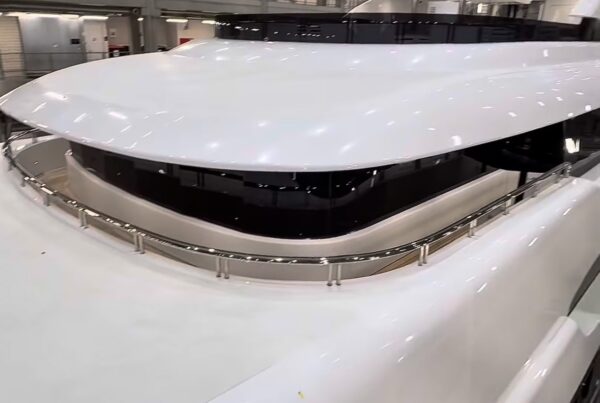
With prolonged exposure to stronger UV rays, paint systems are breaking down faster. Fading and oxidation occur more quickly, especially in tropical and high-exposure regions. To combat this, regular application of UV-protective coatings and polymer sealants is crucial to maintaining a yacht’s finish.
 Rising Ocean Temperatures = More Biofouling
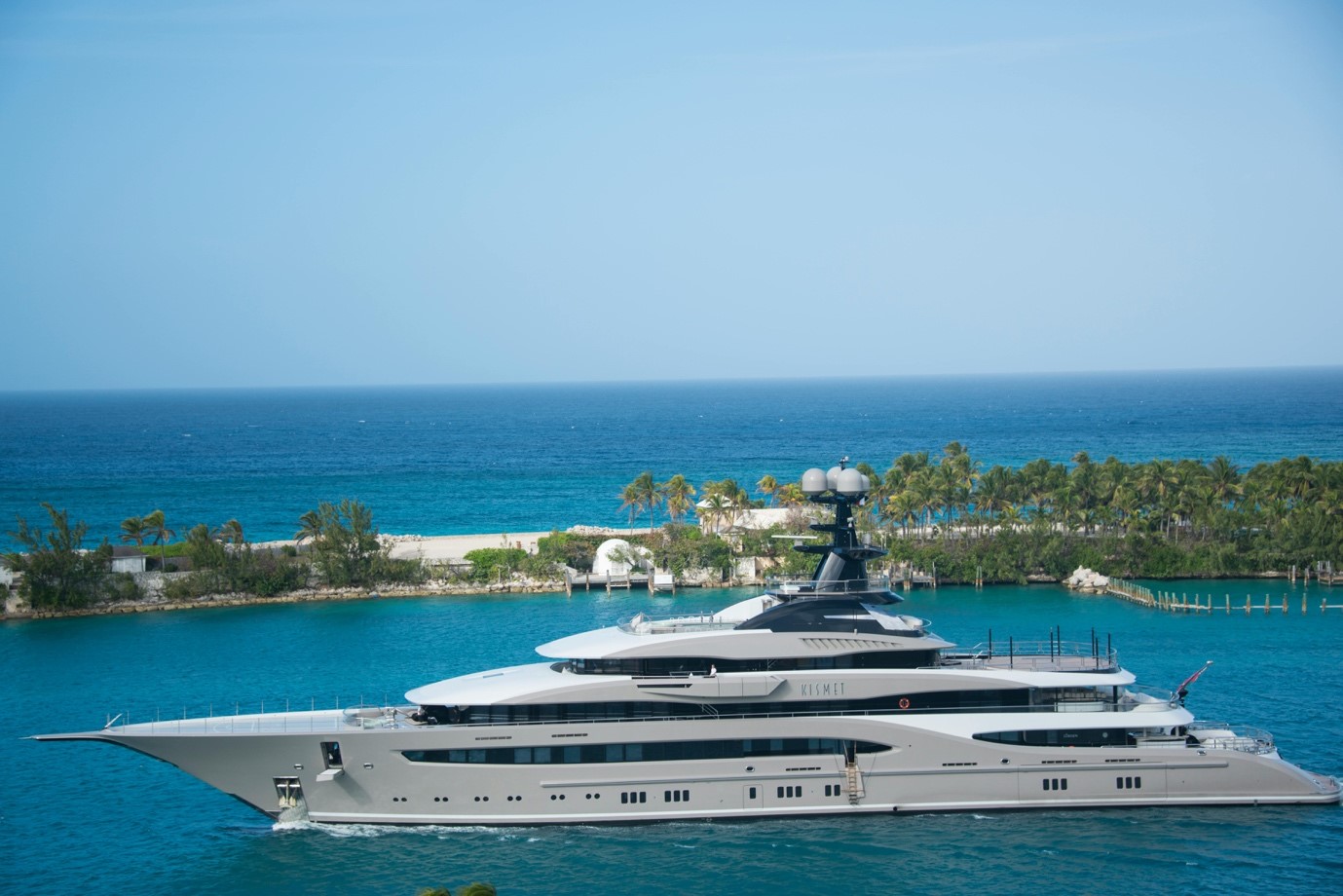
Warmer waters accelerate the growth of algae, barnacles, and other marine organisms. This not only increases drag and fuel consumption but also puts additional strain on hull coatings. Regular hull cleaning and the use of high-performance antifouling systems tailored to specific cruising areas are more important than ever.
More Extreme Weather = Greater Wear and Tear
Stronger storms and changing weather patterns expose yachts to harsher conditions, from increased salt spray to more aggressive wave action. This leads to faster corrosion and premature wear on coatings. Extra attention to protective sealants and routine inspections are vital to extending a yacht’s lifespan.
Regional Differences Require Tailored Care
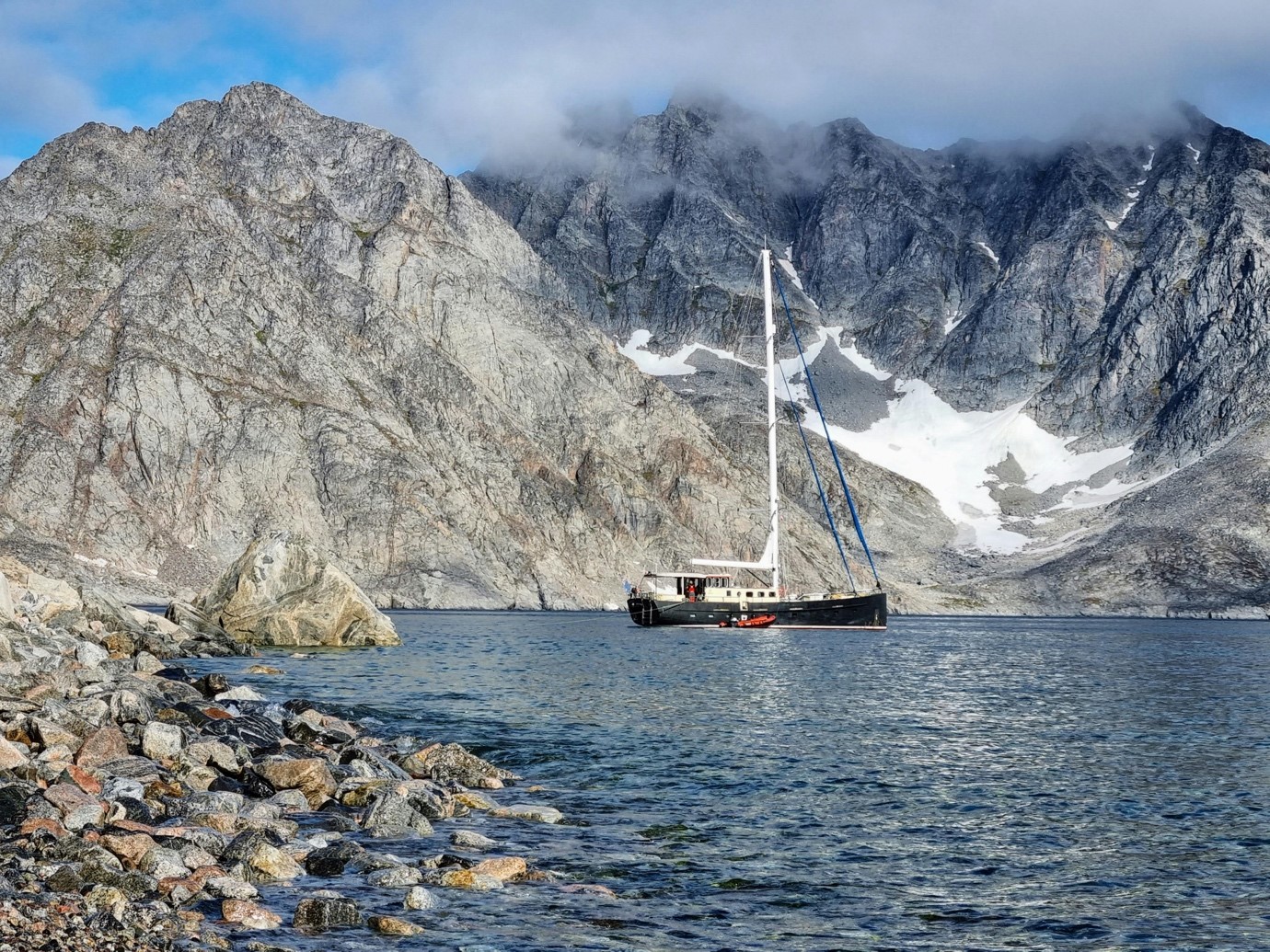
Yachts cruising in the Mediterranean may deal with intense sun exposure, while those in the Caribbean face high humidity and frequent tropical storms. In colder climates, freeze-thaw cycles can impact paint adhesion. Understanding these regional challenges allows for customized maintenance strategies to protect your yacht year-round.
Sustainable Maintenance: A Necessary Shift
With climate change accelerating, reducing unnecessary repaints and extending the life of coatings is not just cost-effective—it’s environmentally responsible. Overuse of repainting materials, especially plastic-based cocoons used during refinishing, contributes to pollution. Investing in proper maintenance, protective coatings, and sustainable care methods helps both yacht owners and the environment.
The Bottom Line
Global warming is reshaping yacht maintenance. By understanding its effects and adapting care strategies to specific climates, owners and crew can preserve their vessel’s appearance and performance while reducing their ecological impact.
If you cntact a professional company like iShine Coatings Group, they can properly design a maintenance plan specially for the yacht crossing and year plan.