When it comes to polishing a yacht’s exterior, not all rubbing compounds are created equal. The choice between silicon wax-based compounds and those containing aluminum particles can significantly impact the final result, durability, and ease of application. Understanding these differences is essential for achieving a flawless, long-lasting finish.
This knowledge helps crew members make informed decisions when selecting a polishing company, ensuring they use the right products for optimal results. The right choice can make all the difference in maintaining the yacht’s appearance and protecting its surface over time. So let’s have a look at what are the differences.
Silicon Wax-Based Rubbing Compounds
Provide Immediate Gloss – The silicone content enhances shine instantly, giving the surface a highly reflective appearance.
Fills in Imperfections – Wax and silicon temporarily fill in minor scratches and swirl marks, making the surface look smoother.
Easy to Apply – Works quickly and leaves a sleek feel to the surface.
Disadvantages:
Short-Term results : 2 to 3 weeks after initial application – While the surface may look perfect at first, the silicon waxes create a temporary illusion of correction rather than actually restoring the paint or gelcoat.
Hides Defects Instead of Removing Them– Once the wax wears off, swirl marks and oxidation reappear, meaning more frequent re-polishing.
Difficult to Remove – Silicon-based compounds can create adhesion issues for future coatings (such as ceramic coatings or new paint), requiring extra decontamination steps.
Sand-based rubbing compounds, which contain silicon (silicium) particles, are highly polluting. To produce these compounds, the sand must undergo an industrial process involving water baths mixed with acid and electrolysis to shape the particles into pyramidal forms. This shaping enhances their cutting ability on surfaces. However, the wastewater from this process is often discharged into rivers without proper recycling, leading to significant environmental harm. While some manufacturers address this issue responsibly, others do not.
To minimize environmental impact, we iShine opts for alumina dust, which is a much more eco-friendly alternative.
Furthermore, the silicon/sand particles commonly used in traditional rubbing compounds are not only inexpensive but also problematic during application. They release excessive dry dust, are highly abrasive, and leave behind stubborn residues that are difficult to remove. These sand-based compounds rely on technology that is nearly 30 years old and should no longer be used in modern yacht maintenance.
So what are the silicone wax compounds best for? For quick cosmetic touch-ups when long-term correction is not a priority.
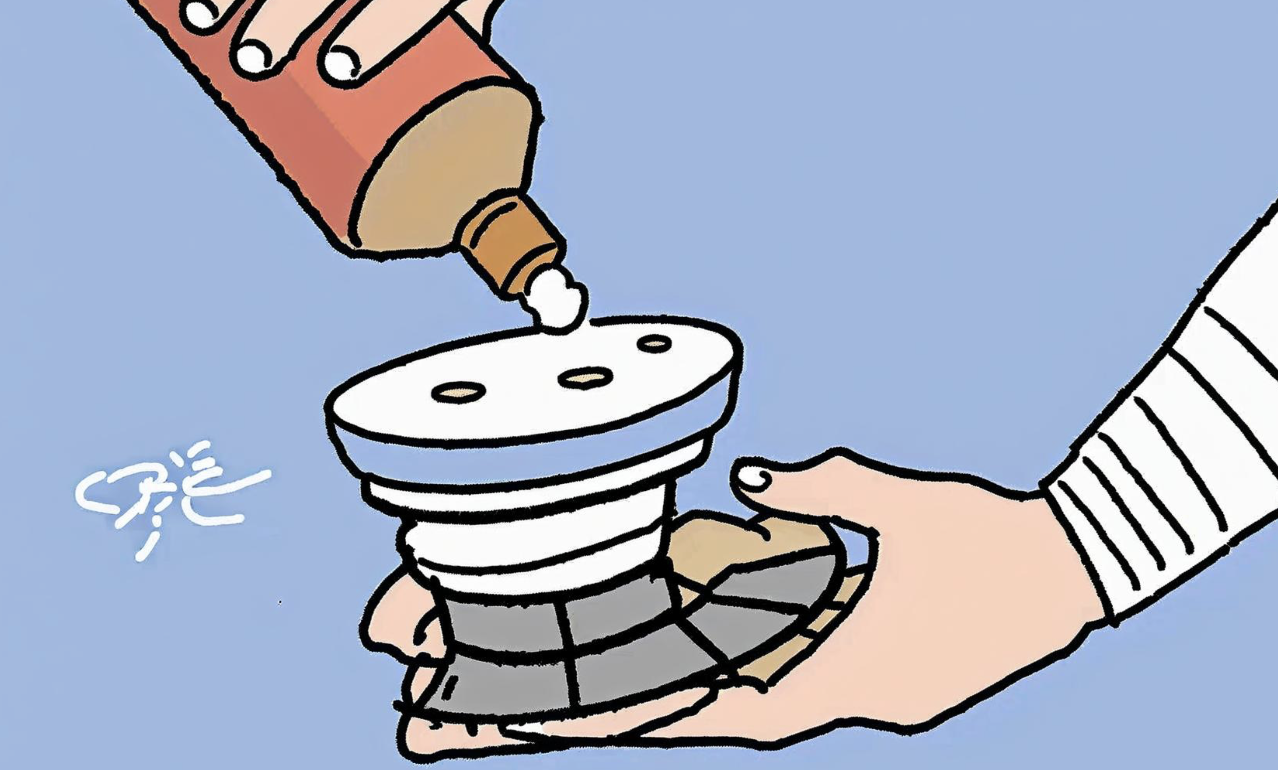
Aluminum Particle-Based Rubbing Compounds
True Paint Correction – Aluminum oxide particles act as abrasives, effectively removing oxidation, swirl marks, and surface defects without masking them.
Long-Lasting Results – Instead of temporarily filling scratches, these compounds actually restore the surface, ensuring a smooth and respectfull more durable finish.
Better for Paint & Coating Preparation : Since these compounds do not leave behind silicone—only oil (similar to WD-40 oils)—they allow for easy application of ceramic coatings after a quick degreaser wash. There is no need for an additional wash before applying polymer sealants or new paint, ensuring proper bonding.
With these rubbing compounds, the shine you see is genuine. To illustrate this, you can apply olive oil to a surface and notice how it enhances the shine. In contrast, silicone creates an artificial gloss, giving a misleading appearance of the substrate—ultimately acting as a “false friend.”
Controlled Abrasiveness – These compounds break down as they are worked into the surface,
gradually refining the finish for a smoother, swirl-free result.
These products require more skill, as they demand proper technique and patience to achieve optimal results. However, the initial appearance may not seem as glossy. Unlike silicon wax-based compounds, aluminum-based compounds don’t provide an instant high-gloss effect—but when applied correctly, they deliver true correction, ensuring a long-lasting shine once properly refined and protected.
This highlights the importance of knowing which type of products a polishing company uses. Choosing the wrong products can have long-term negative effects—unless the goal is simply a quick fix every year. However, in the long run, this approach often leads to higher costs due to frequent re-polishing and unnecessary surface wear. This highlights the difference between companies that offer standard polishing and those that provide true paint treatment solutions.
Which One is Better?
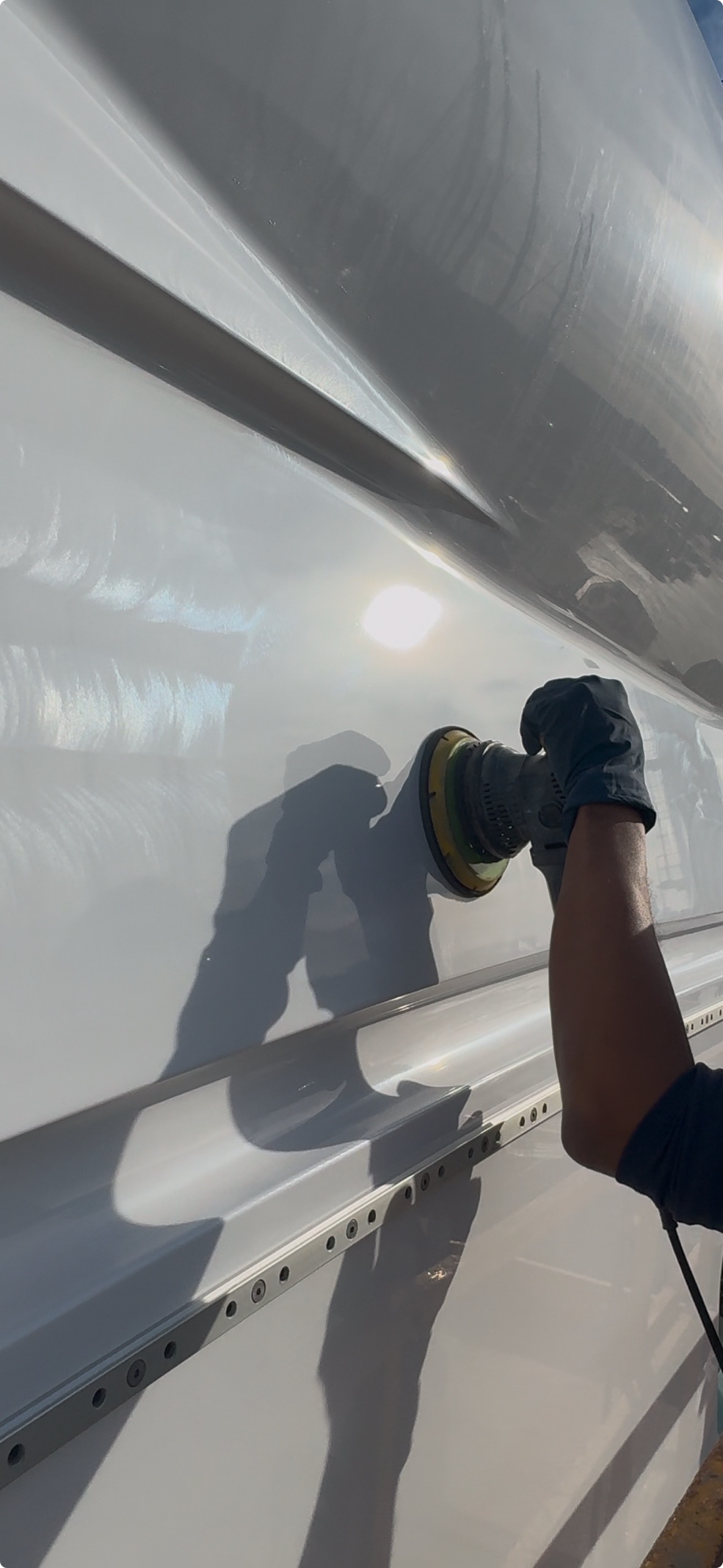
If the goal is long-lasting restoration and proper surface correction and post real paint treatment application , aluminum particle-based rubbing compounds are the superior choice. They effectively remove oxidation and defects rather than just hiding them and ensure that protective coatings or sealants adhere properly.
However, as mentioned above, if a quick, temporary shine is all that is wanted, silicon wax-based compounds can provide an instant gloss, though they require more frequent reapplication.
For serious yacht maintenance and paint preservation, choosing professional-grade aluminum-based compounds is the best investment in keeping the exterior flawless.
Need expert advice on proper polishing techniques?
iShine Coatings Group is here to help with training, guidance, and high-performance polishing solutions!